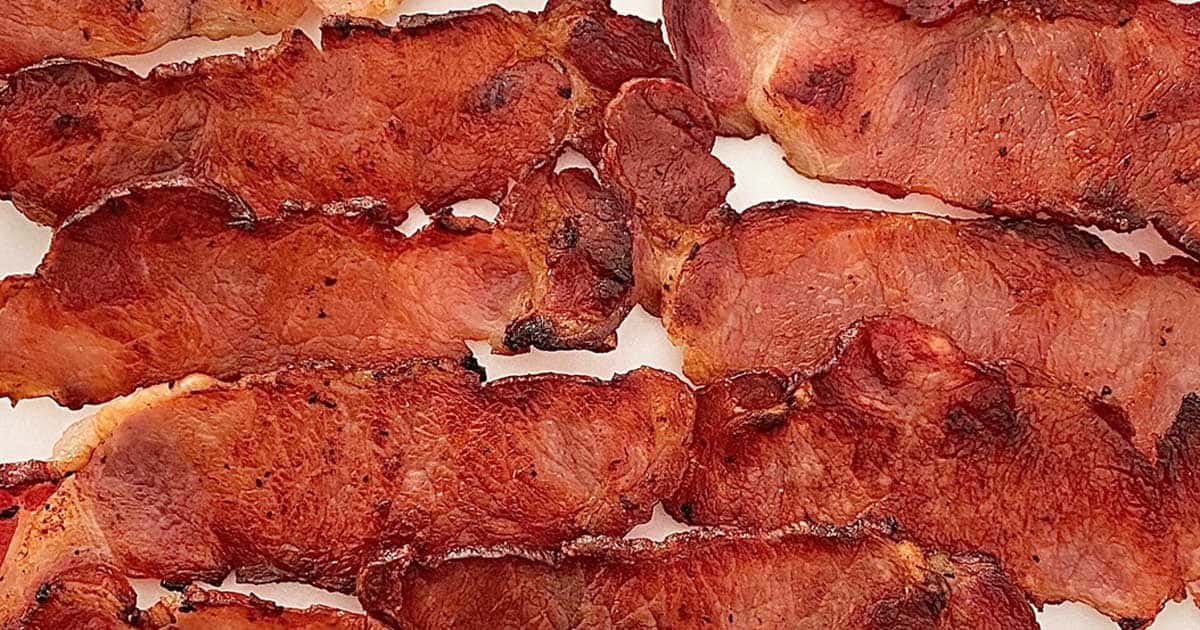
Why You'll Love Back Bacon: Leaner, Flavorful, & Versatile
Tired of the same old bacon routine? Perhaps you're seeking a breakfast hero that's both satisfyingly meaty and wonderfully balanced in flavor. If so, it might just be *good to be back bacon* – or to discover it for the very first time! Often celebrated across the UK, Ireland, Canada, Australia, and New Zealand, back bacon offers a delightful departure from its streaky American counterpart. With its unique cut, impressive versatility, and distinct taste profile, it’s poised to become your new favorite culinary obsession. Get ready to explore why this leaner, more flavorful bacon deserves a prime spot on your plate.
What Exactly is Back Bacon? A Cut Above the Rest
At its heart, back bacon is defined by its origin on the pig. While traditional American bacon, often called "streaky bacon" in other parts of the world, is sliced from the fatty pork belly, back bacon is primarily cut from the loin. Specifically, it often comes from the center of the pork loin, a leaner and more substantial muscle. This fundamental difference in sourcing is what gives back bacon its signature characteristics.
After being carefully sliced, this loin-based cut undergoes a meticulous process of seasoning, curing, and smoking, much like its belly-derived cousin. This treatment imparts the familiar savory, smoky notes we all crave, but with a nuanced distinction. Some describe English back bacon as a harmonious cross between the lean, ham-like Canadian bacon (which is essentially cured pork loin) and the rich, smoky flavors of regular bacon. It truly offers the best of both worlds.
Globally, back bacon goes by many names. You might hear it referred to as English Bacon, British Bacon, or Irish Bacon, reflecting its strong cultural ties in these regions. While it's a staple in British and Commonwealth kitchens, finding it in the United States requires a bit more effort. Look for it at specialty butchers, international grocery stores, or consider ordering it online from dedicated suppliers. Its growing popularity means it's becoming more accessible, allowing more people to experience this culinary gem. For a deeper dive into its origins and preparation, check out our guide:
What is Back Bacon? A Guide to Cooking and Savory Uses.
Why Back Bacon is a Culinary Game-Changer
The moment you taste properly cooked back bacon, you'll understand why it garners such ardent fans. It’s more than just a breakfast item; it’s a versatile ingredient that elevates countless dishes. And for those who appreciate quality and taste, it truly feels *good to be back bacon* – a return to a simpler, yet richer, bacon experience.
Leaner & Meaner (in a Good Way!)
One of back bacon's most compelling attributes is its leanness. Because it's primarily cut from the pork loin, it contains significantly less fat than streaky bacon. This doesn't mean it's devoid of flavor or juiciness; rather, it offers a more substantial, meatier bite with less grease. For those mindful of their intake, an average cooked slice of back bacon clocks in at around 105 calories, making it a satisfying choice that doesn't feel overly indulgent. You get more lean protein per slice, which contributes to a feeling of fullness and sustained energy, making it an excellent addition to a balanced meal.
A Symphony of Savory Flavor
While leaner, back bacon is far from bland. Its curing and smoking process infuses it with a wonderfully smoky, savory profile that is often described as milder than streaky bacon. This "mildness" isn't a lack of flavor, but rather a more balanced taste where the rich pork flavor of the loin shines through, complemented by the smokiness, rather than being overshadowed by intense saltiness or fat. The slight rim of fat often found around the edges of a back bacon rasher (slice) caramelizes beautifully when cooked, adding depth and a delightful crispy counterpoint to the tender meat.
Unleash Its Versatility in Your Kitchen
The versatility of back bacon is truly remarkable. While it’s famously the star of a traditional Full English or Irish breakfast – alongside eggs, sausages, baked beans, and toast – its uses extend far beyond the morning meal.
*
Breakfast & Brunch: Beyond the full fry-up, enjoy it simply with scrambled eggs and roasted potatoes, or tucked into a hearty breakfast sandwich.
*
Lunch: Elevate a simple BLT (try a "BLT-B" for British-style bacon!), add a meaty chew to a fresh salad, or incorporate it into quiches and savory turnovers for a delightful midday treat.
*
Dinner: Don't limit back bacon to the daytime! Its robust yet balanced flavor makes it an excellent addition to evening meals. Cube it and add it to pasta dishes, crumble it over a creamy potato soup, or use it as a flavorful base for casseroles. It can even be used to wrap chicken or pork tenderloin, adding moisture and a burst of savory flavor. Imagine it diced into a flavorful risotto or baked into a comforting mac and cheese. The possibilities are truly endless.
Mastering the Art of Cooking Back Bacon
Achieving back bacon perfection is surprisingly simple, yet a few key tips can elevate your cooking from good to gourmet.
Buying the Best Slices
When selecting back bacon, aim for lean slices that still have a small, even rim of fat around the edges. This fat is crucial for flavor and texture, ensuring the meat remains juicy and develops a lovely crispness. While many pre-packaged options are available, a good butcher can often provide excellent quality, sometimes allowing you to specify thickness. As its popularity grows, you might find it in larger grocery stores, but specialty food shops or online purveyors remain reliable sources.
Simple Steps to Pan-Fried Perfection
The most common and arguably best way to cook back bacon is in a hot skillet.
1.
Preparation is Key: Begin by patting your back bacon slices thoroughly dry with paper towels. This removes excess moisture, which is vital for achieving a beautiful sear and crisp texture. If there’s any particularly thick or unwanted fat, you can trim it, but generally, a small amount is desirable.
2.
Heat the Skillet: Place a heavy-bottomed skillet (cast iron works wonderfully) over medium-low heat. The key here is *medium-low* – patience is a virtue when cooking bacon. Too high heat will burn the edges before the interior is properly cooked.
3.
Cook Evenly: Add 3 or 4 slices of bacon to the pan, ensuring not to overcrowd it. This allows for even cooking and proper browning.
4.
Flip and Finish: Cook for approximately 3 to 4 minutes on the first side. Use a heatproof spatula to check the underside; once it's golden brown and slightly crispy, flip the slices over. Continue cooking for another 3 to 4 minutes, or until both sides are beautifully browned and crisp to your liking. Back bacon slices may curl into an "apostrophe" shape due to the different contraction rates of the lean meat and the fat – gently press them down with your spatula to maintain contact with the pan.
5.
Season and Serve: Remove the cooked bacon from the pan with tongs or a spatula and place it on a plate lined with paper towels to absorb any excess fat. While the bacon needs nothing extra, a sprinkle of freshly ground black pepper can enhance its savory notes. Serve immediately and enjoy the fruits of your labor!
Back Bacon vs. Streaky Bacon: The Delicious Showdown
While both back bacon and streaky bacon (often simply called "bacon" in the US) are cured, smoked, and utterly delicious, understanding their fundamental differences can help you choose the right one for your culinary needs. For a detailed comparison, explore our article
Back Bacon vs. American: Uncover the Delicious Differences.
*
The Cut: The most significant difference lies in the cut. Back bacon comes primarily from the lean pork loin with a small piece of belly fat attached, while streaky bacon is cut entirely from the fatty pork belly.
*
Fat Content: Back bacon is inherently leaner, offering a more substantial, meat-forward experience. Streaky bacon, with its higher fat content, renders down significantly, resulting in very crispy, sometimes brittle, strips.
*
Texture: When cooked, back bacon typically has a tender, meaty texture with crispy edges, sometimes resembling a thin slice of ham. Streaky bacon is known for its intense crispiness throughout.
*
Flavor Profile: Back bacon offers a balanced smoky-savory flavor, allowing the natural sweetness of the pork loin to shine. Streaky bacon often has a more intense, sometimes saltier, and undeniably richer flavor due to its high fat content.
*
Culinary Application: While versatile, back bacon's meatiness makes it ideal for dishes where you want a significant, flavorful protein element without excessive grease. Streaky bacon is superb when you want maximum crispness and rendered fat for flavor (like in a carbonara) or for very thin, crispy applications.
In essence, neither is "better" than the other; they simply offer different, equally delicious, experiences. Back bacon provides a satisfying, hearty, and less greasy alternative that many find deeply appealing.
Conclusion
From its humble origins in the pork loin to its celebrated status on breakfast tables around the world, back bacon offers a truly unique and delightful culinary journey. Its leaner profile, rich yet balanced flavor, and incredible versatility make it a compelling choice for anyone looking to expand their bacon horizons. Whether you're assembling a classic Full English breakfast, adding a savory twist to your lunch, or seeking a flavorful protein for your dinner, back bacon delivers on all fronts. So, if you haven't yet experienced the pleasure of this meaty, marvelous bacon, now is the time. We're confident that once you try it, you'll agree: it's truly *good to be back bacon*!